Autavia · 2026

Mission-oriented tilt-rotor system

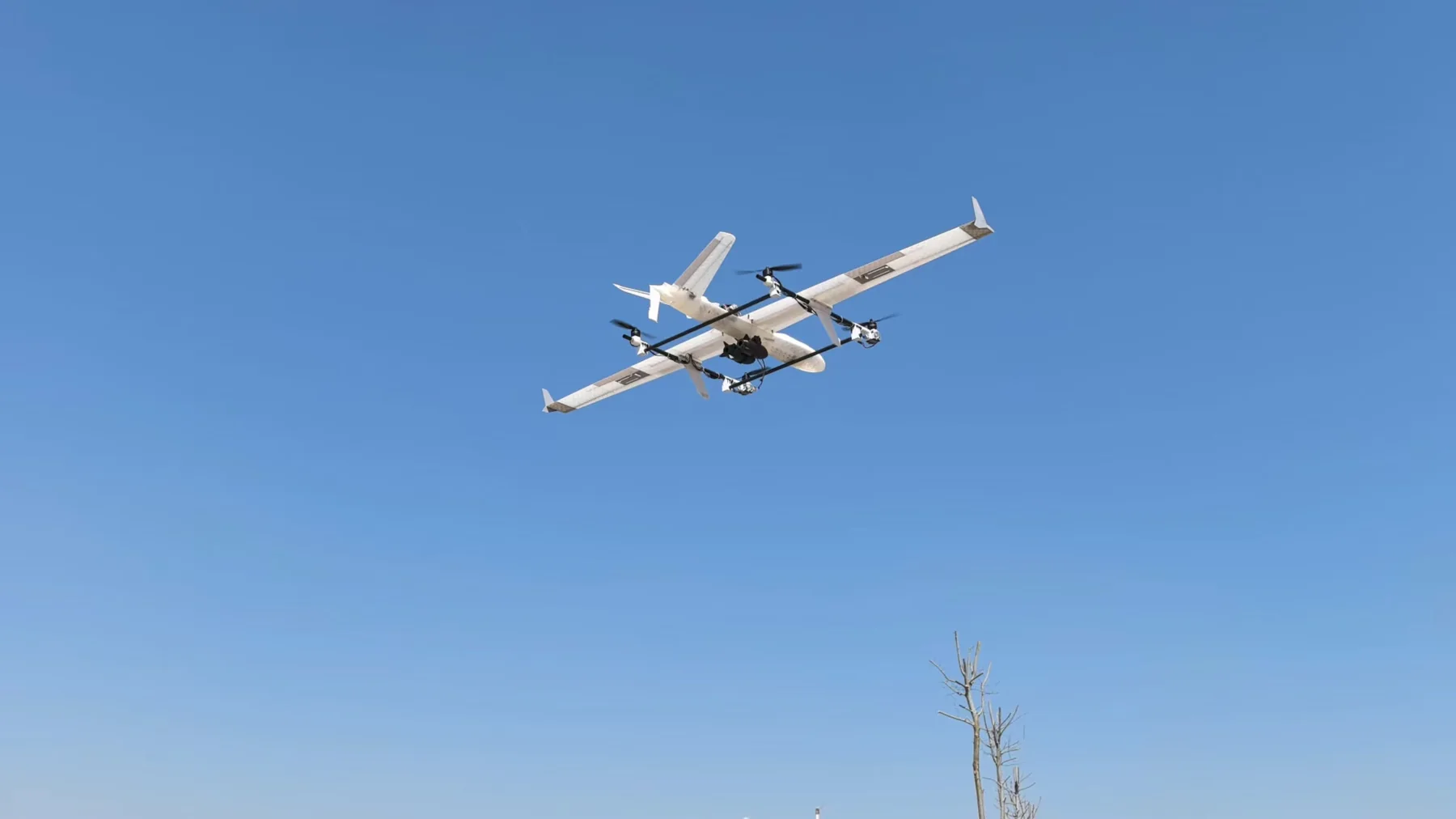
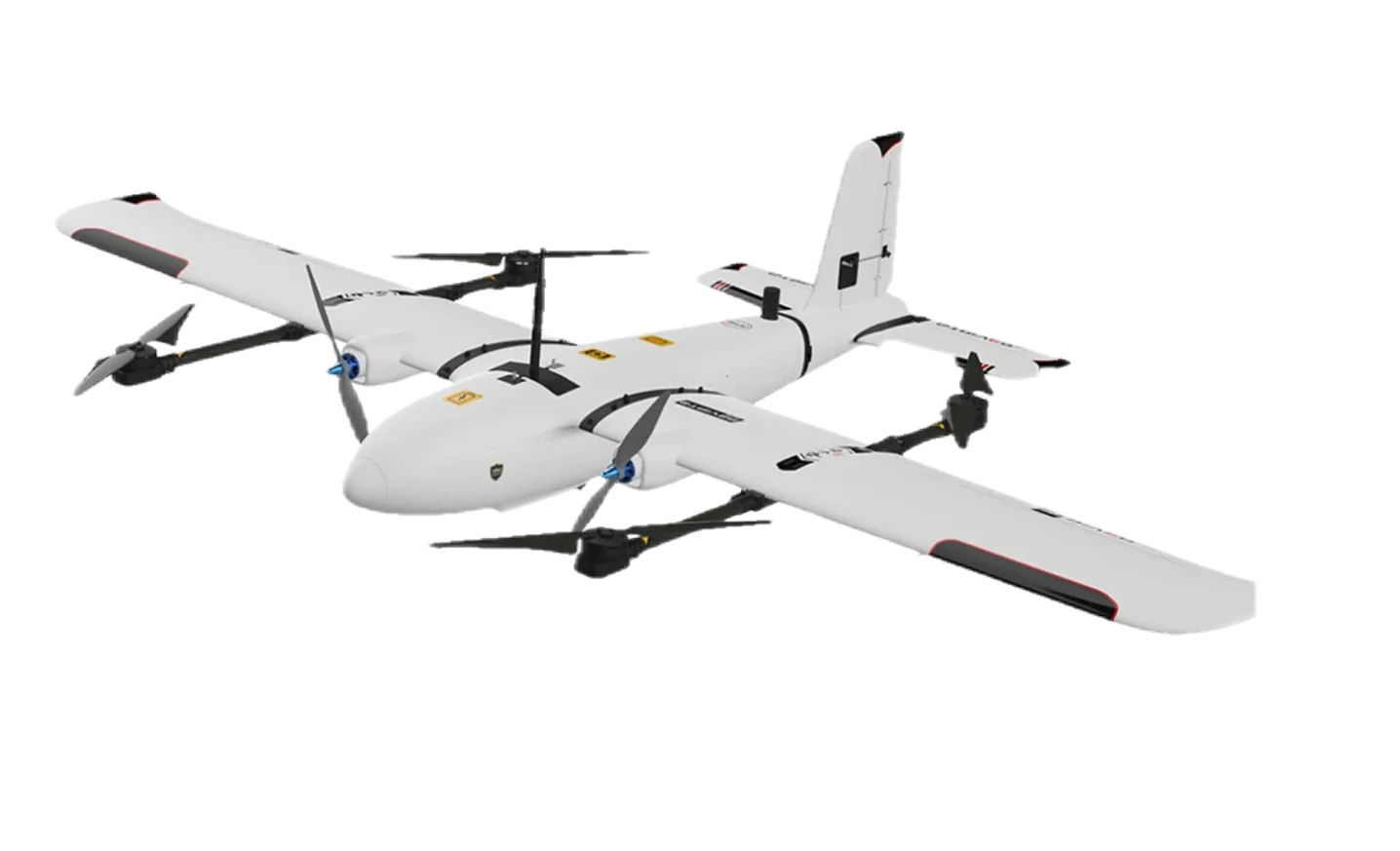
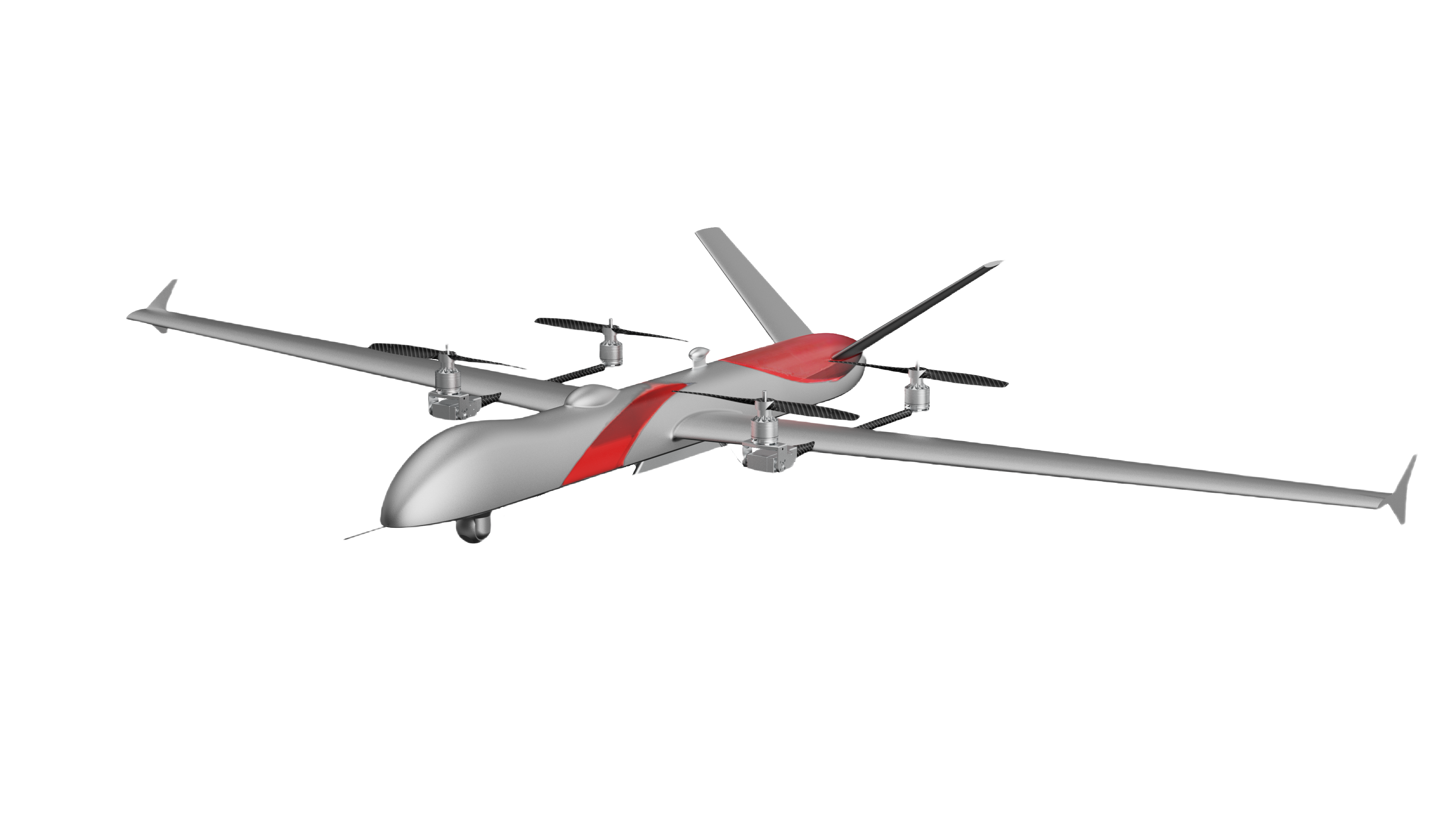
Autavia Type 7-3

A system platform connecting vertical take-off, efficient cruise, mission planning, perception and human-supervised autonomy for low-altitude inspection.

Autavia Type 7-3
SeriesAutavia Type 7 Series
PlatformTilt-rotor / distributed electric propulsion
Primary scenarioLow-altitude inspection and emergency monitoring
Project roleMission-oriented integrated system
Development scopeArchitecture · Planning · Prototype
Legacy aliasCTK-3
01 / overview

From vertical take-off to mission integration.

Project Overview

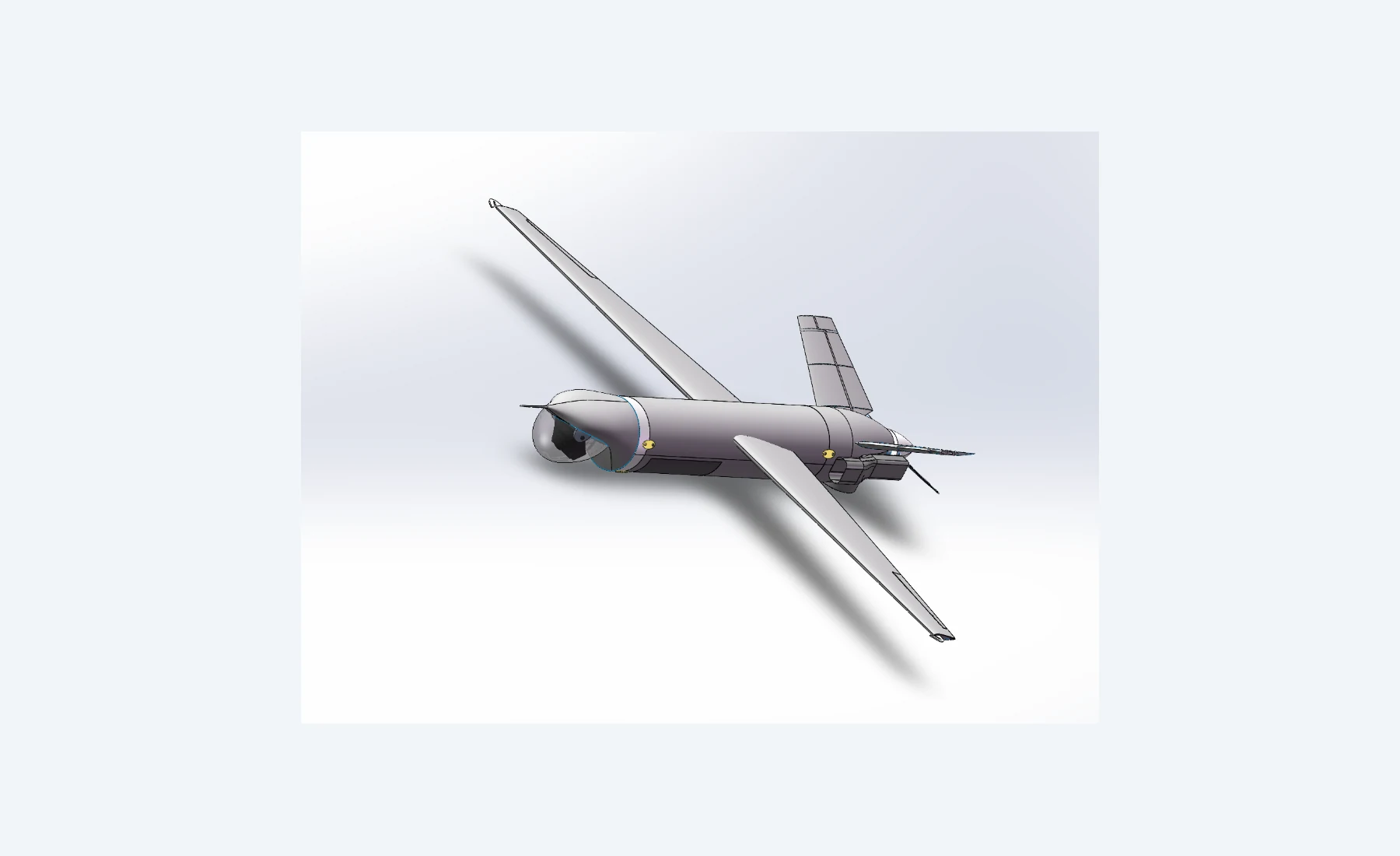
Autavia Type 7-3 is the mission-oriented iteration of the Type 7 Series. It connects airframe, propulsion, flight control, perception, planning and ground interaction within one integrated system architecture.

Current development focuses on low-altitude inspection and mission planning, with platform integration and validation progressing through simulation, software prototypes and physical development records.
02 / mission

Prioritise the areas with the greatest risk.

Inspection as a constrained system

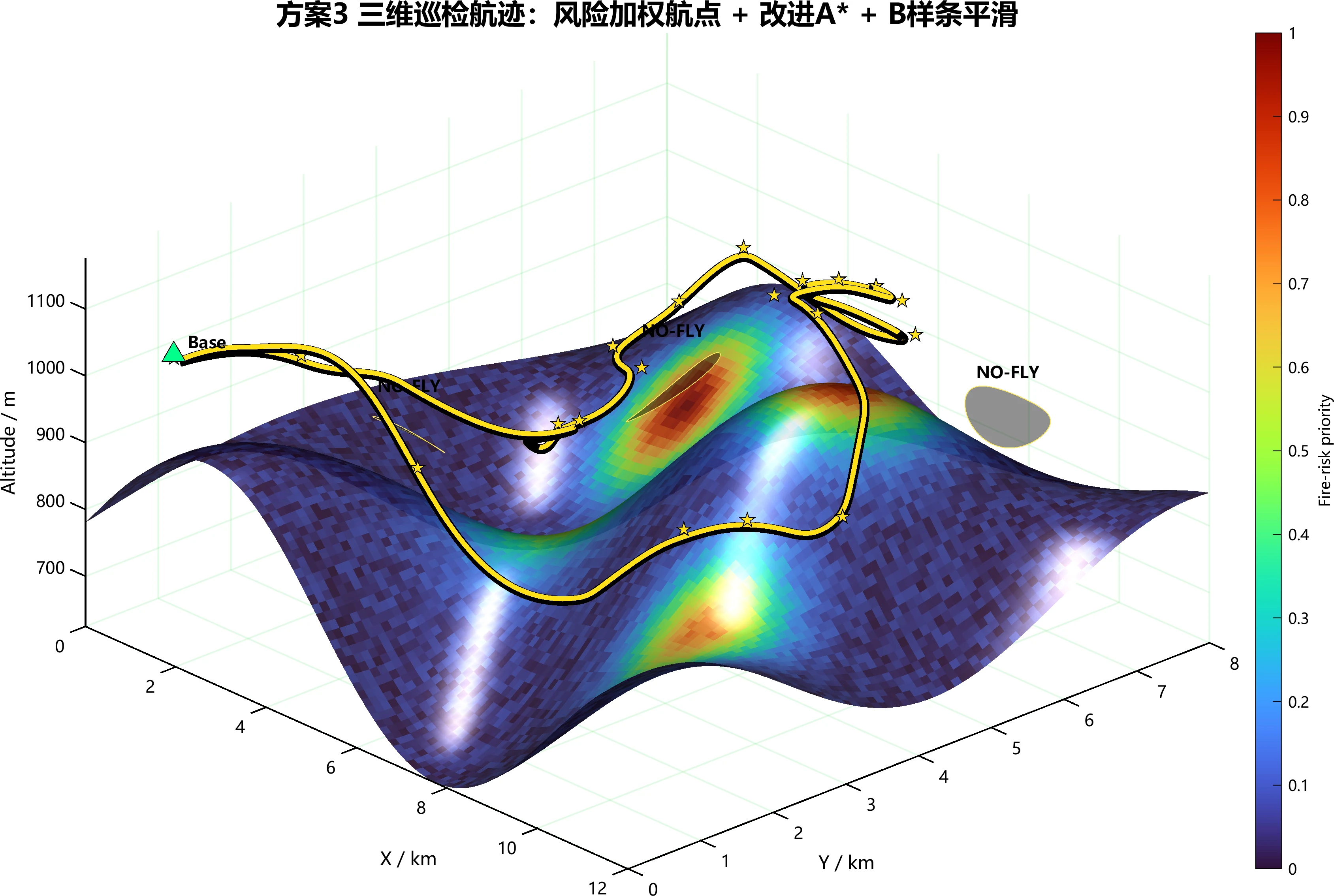
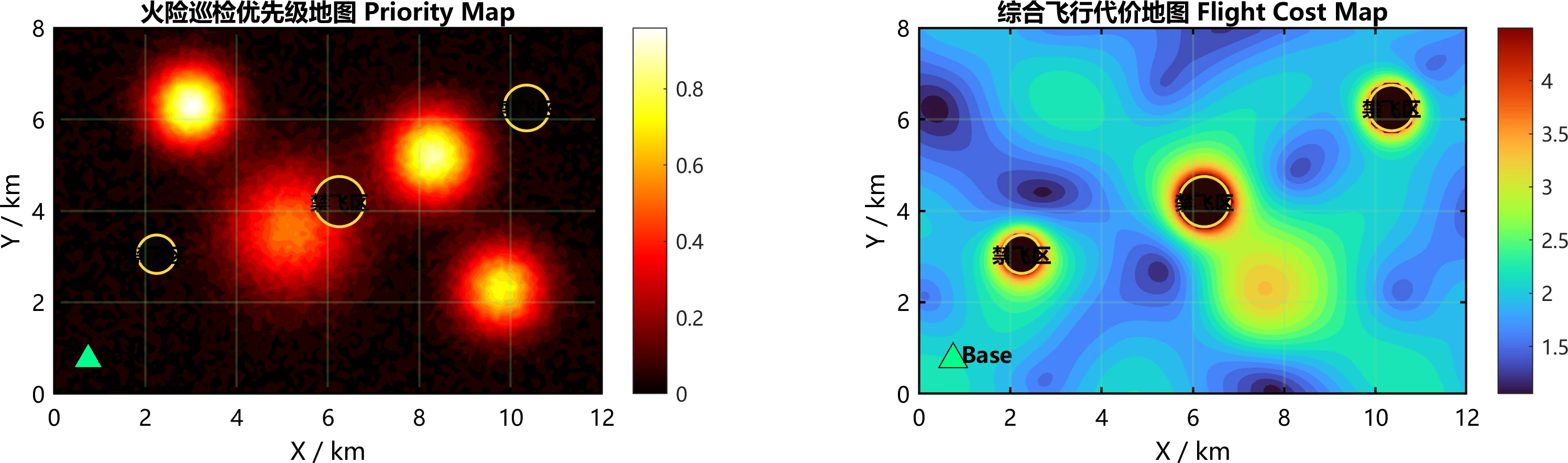
Forest inspection is modeled as a closed-route problem with risk priority, no-fly constraints, obstacle buffers, terrain cost and return margin.

01

Deploy

Vertical take-off expands deployment options near complex terrain.

02

Prioritize

Risk-weighted waypoint generation allocates resources to higher-value regions.

03

Navigate

Terrain, wind cost, obstacles and no-fly regions are modeled separately.

04

Return

Route and time margins keep planning away from theoretical limits.

03 / architecture

One mission. Six connected layers.

Six connected layers

The architecture presents system boundaries, subsystem responsibilities and the information flow that connects mission intent with flight execution.

MISSION INTERFACE

Human-supervised intent

The operator defines the mission, boundary and priorities; the system translates them into traceable planning inputs.

PLANNING & SAFETY

Risk-weighted routing

Waypoint generation, route optimization, obstacle avoidance and return margins are managed as distinct planning functions.

PERCEPTION

Observe the environment

Perception provides terrain, obstacle and mission-observation inputs for planning and operator awareness.

FLIGHT CONTROL

Execute feasible motion

Flight-control logic converts mission-level commands into platform-level actions within defined system limits.

FLIGHT PLATFORM

Configuration as a system

Airframe, propulsion, energy and payload interfaces form the physical boundary of the mission system.

VALIDATION LAYER

Connect model, simulation and testing

Digital models, software prototypes and physical tests form a continuous validation workflow.

04 / intelligence

Turn risk into a traceable route.

Planning workflow

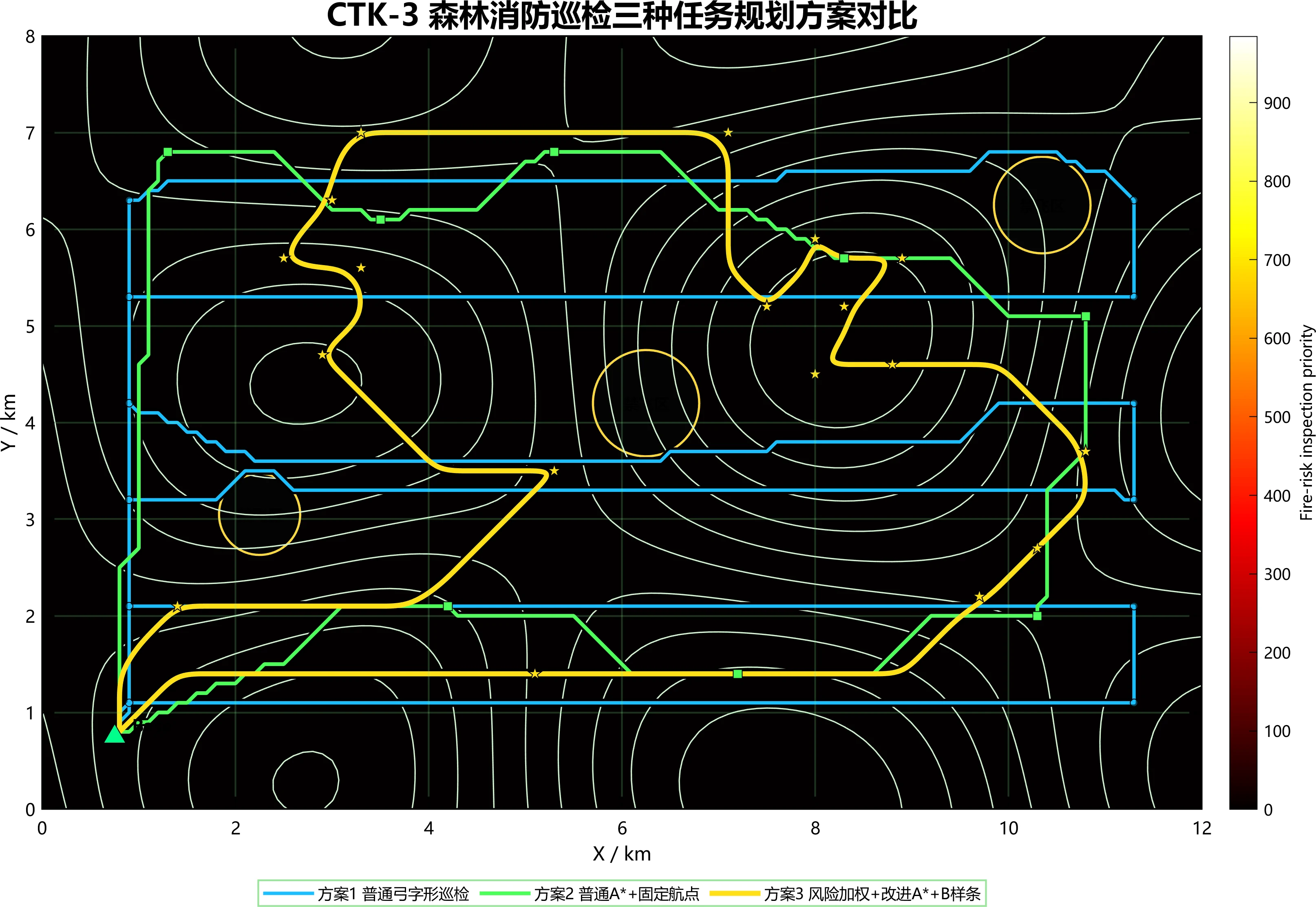
The research workflow connects a risk map, candidate waypoints, route optimization, obstacle-aware local planning and path smoothing.

01

Risk map

Construct priority, cost and exclusion layers.

02

Waypoint generation

Place observable candidates around higher-value regions.

03

Route optimization

Compare route-order strategies under common metrics.

04

Local planning

Introduce obstacle buffers and local feasibility.

05

Smoothing

Reduce unnecessary heading changes in the planned path.

06

Human review

Keep mission assumptions and limits visible to the operator.

Constructed risk scenario
Route comparison
Route comparison
3D route model
3D route model
05 / process

Make the complete development process visible.

From concept to validation

01

Mission

Define inspection value, operating boundaries and mission priorities.

02

Configuration

Explore tilt-rotor geometry and distributed propulsion.

03

Architecture

Define interfaces across platform, control, perception and planning.

04

Simulation

Build repeatable mission models and common evaluation criteria.

05

Prototype

Connect physical records with a mission-agent demonstrator.

06

Next validation

Extend toward real terrain, energy models and flight execution.

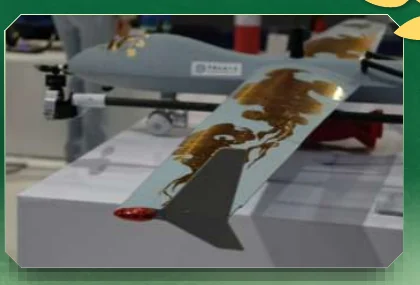
Prototype component
Prototype component
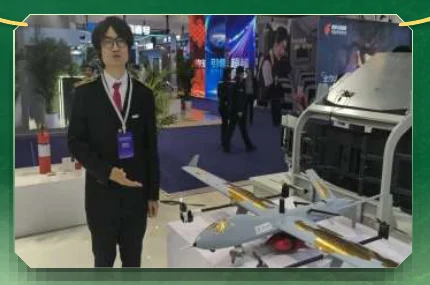
Prototype exhibition
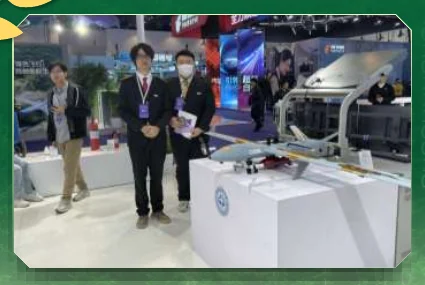
Engineering communication