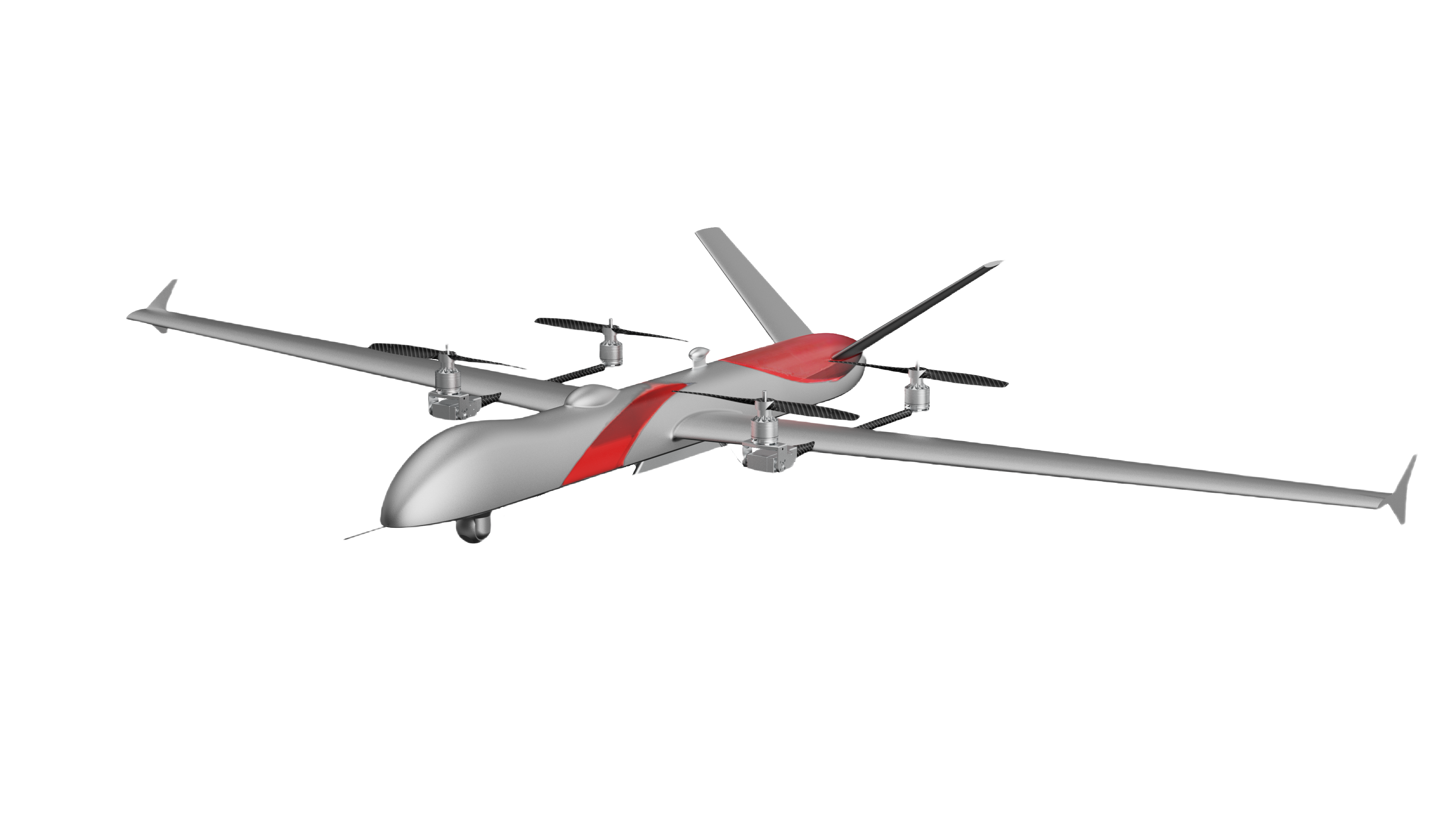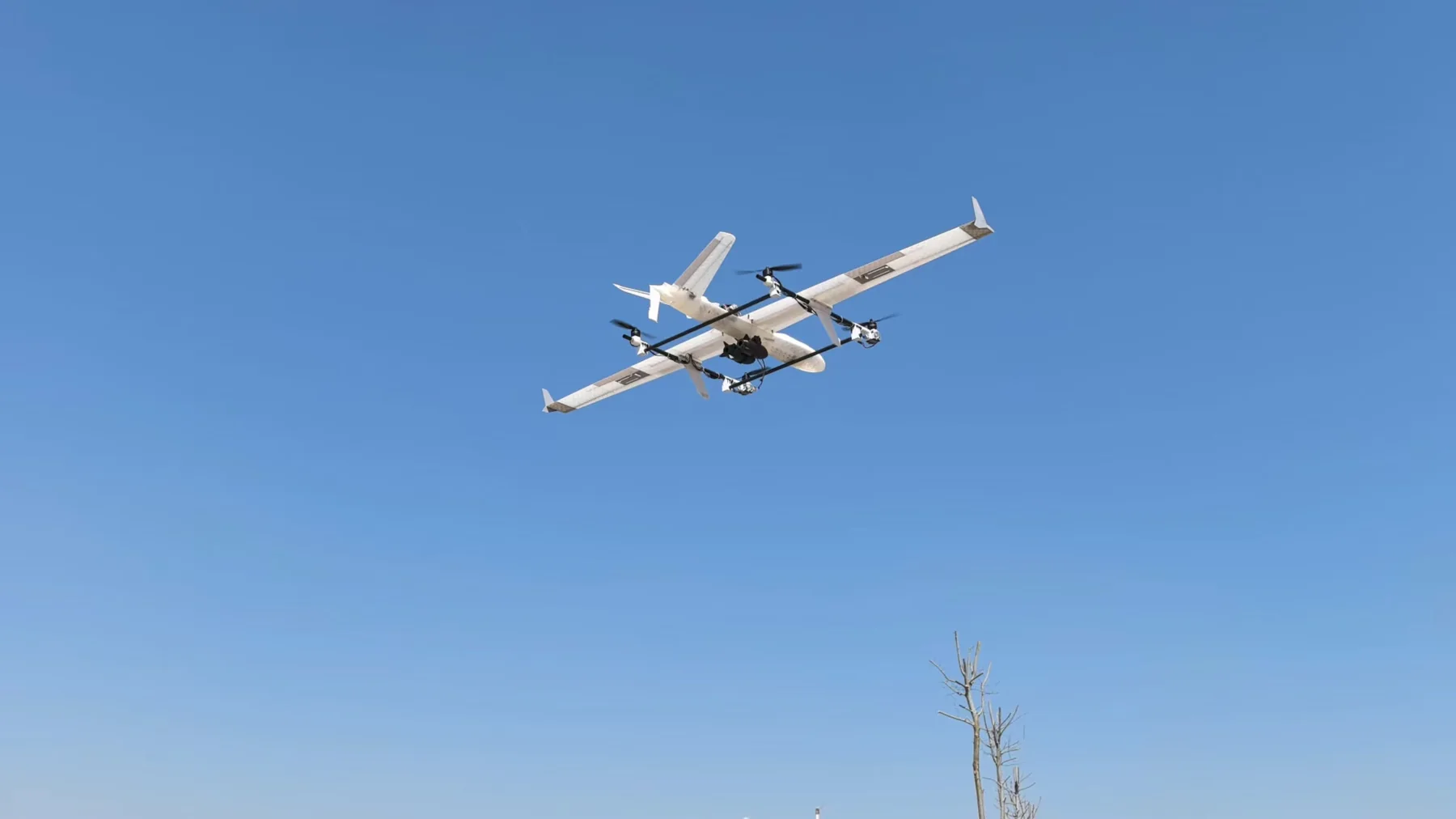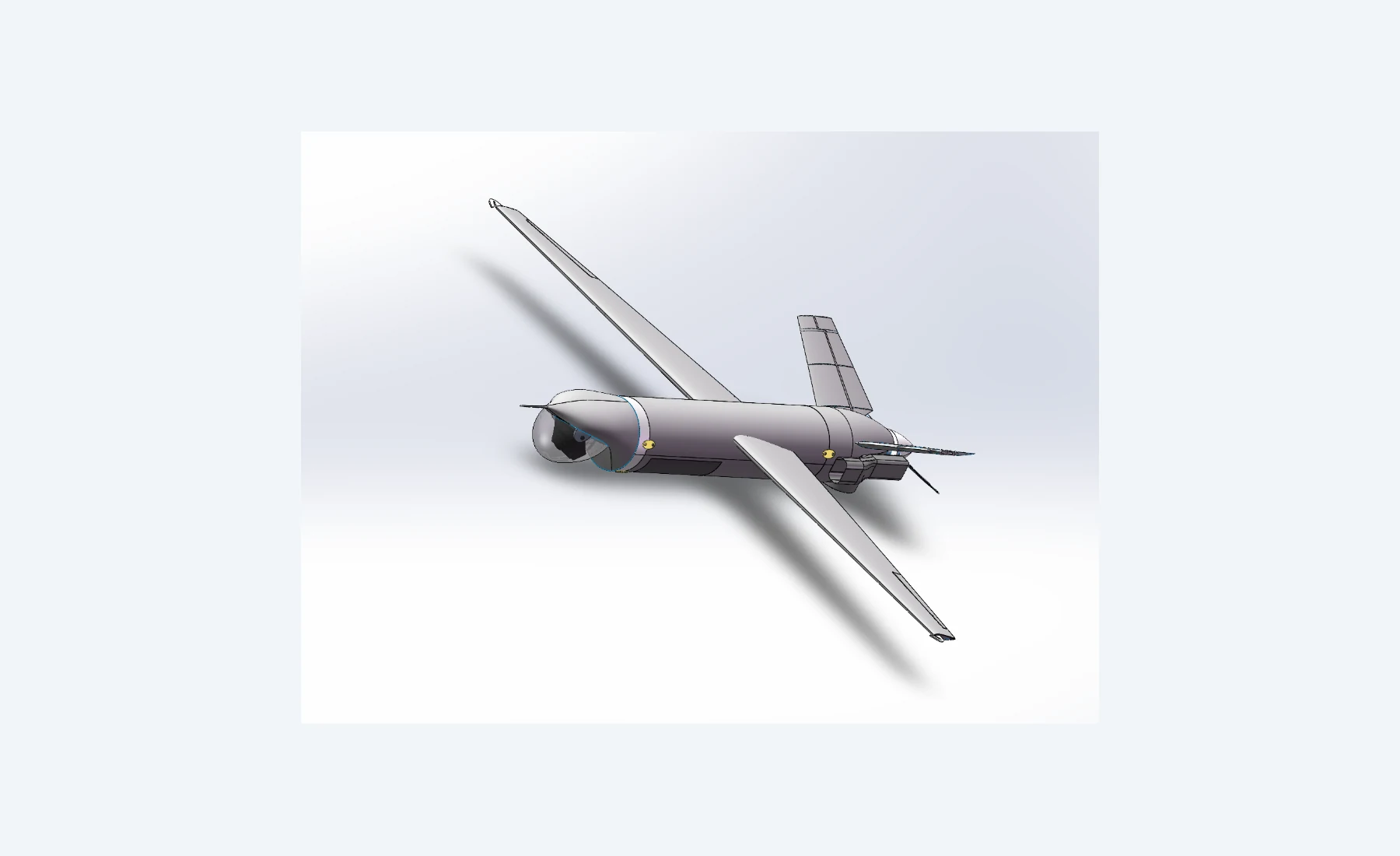
Defining the Type 7 design language.
Project Overview
Autavia Type 7-1 began as a configuration and system-architecture study. It defined the relationship between vertical take-off, forward flight, distributed propulsion and mission equipment.
Autavia · 2024
First-generation Type 7 configuration study
The first Type 7 iteration established the series configuration language, mission boundary and system decomposition for later tilt-rotor development.
Project Overview
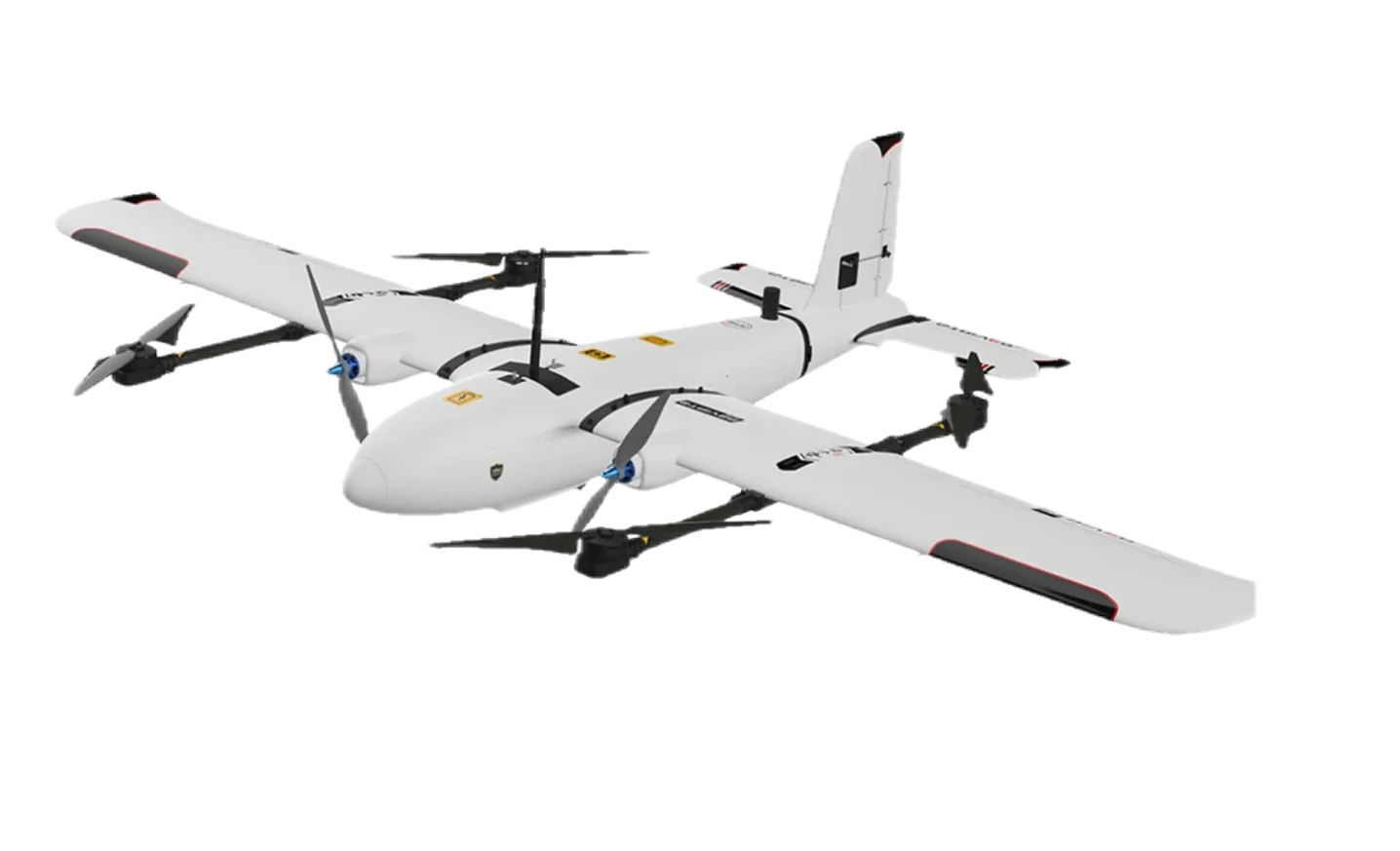
Autavia Type 7-1 began as a configuration and system-architecture study. It defined the relationship between vertical take-off, forward flight, distributed propulsion and mission equipment.
Configuration Study
The concept explored a tilt-rotor arrangement with a fixed centre wing, distributed electric propulsion and a modular fuselage volume.
Rotor placement supports compact take-off and landing operations.
Wing-borne cruise provides the aerodynamic basis for longer-range missions.
The central body reserves space for sensing, communication and mission equipment.
System Boundary
The first-generation study separated the platform into propulsion, energy, flight control, mission payload and ground interaction layers.
Airframe, wing and propulsion arrangement.
Attitude control, transition management and actuator coordination.
Payload interface, communication and ground-side planning.
Series Evolution
Type 7-2 advanced the concept toward a physical prototype. Type 7-3 expanded the system around mission planning and integrated autonomy.
Connected knowledge