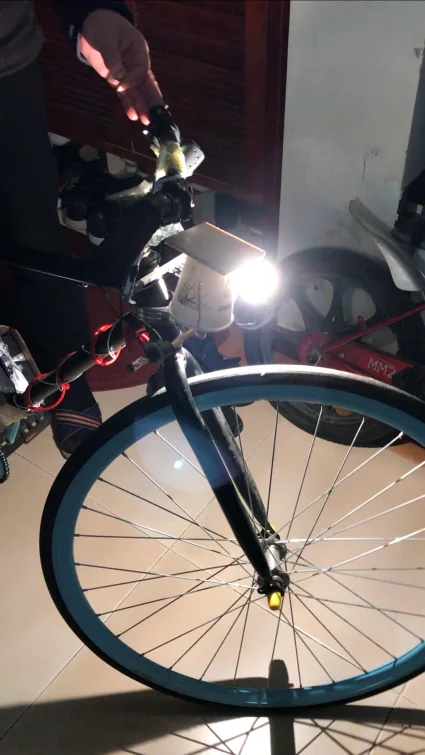
Improving awareness around the rider.
Project Scope
The BBLIS archive contains two related explorations: blind-zone warning for non-motorised vehicles and a steering-linked right-side mirror mechanism. They are presented as connected safety studies.
Rider Safety · 2019
Blind-zone and steering-visibility studies
A group of early rider-safety studies examining blind-zone awareness and steering-linked rear-view visibility for non-motorised vehicles.
Project Scope
The BBLIS archive contains two related explorations: blind-zone warning for non-motorised vehicles and a steering-linked right-side mirror mechanism. They are presented as connected safety studies.
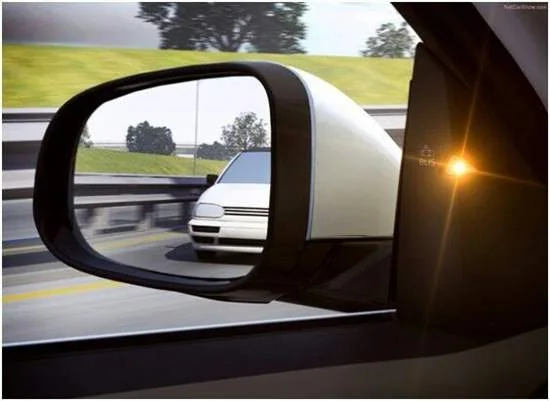
Blind-zone Study
The concept examines how proximity sensing and a compact rider interface could support awareness of vehicles approaching from the rear-side area.
Monitor the rear-side area with a compact sensing arrangement.
Translate proximity and relative movement into a simple risk state.
Provide a visible or audible cue without increasing rider workload.
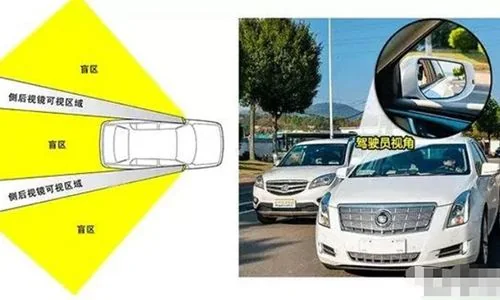
Steering-linked Mirror
A mechanical linkage study adjusts the right-side mirror angle with steering input, exploring a wider useful field of view during turning manoeuvres.
Development Direction
The studies provide a basis for future integration with active lighting, compact sensing and human-centred warning design.
Connected knowledge
Related work