
Apollo · 2020–2022

Vehicle active-safety concept platform

Apollo LX1 Series

A modular active-safety direction built around forward-risk sensing, sensor fusion and a tiered system stack.

Apollo LX1 Series
01 / overview

Organising vehicle safety as a product system.

Product Direction

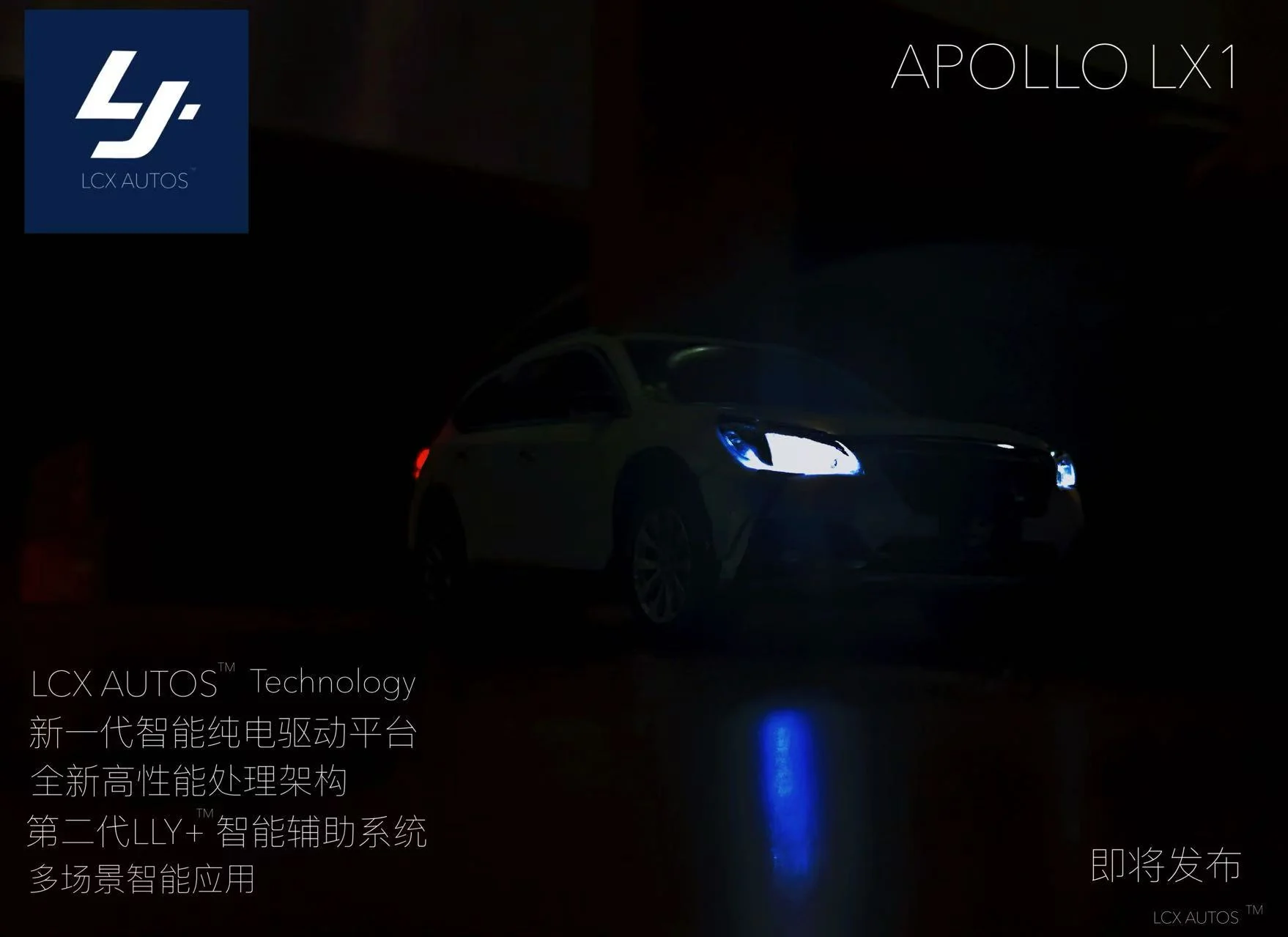
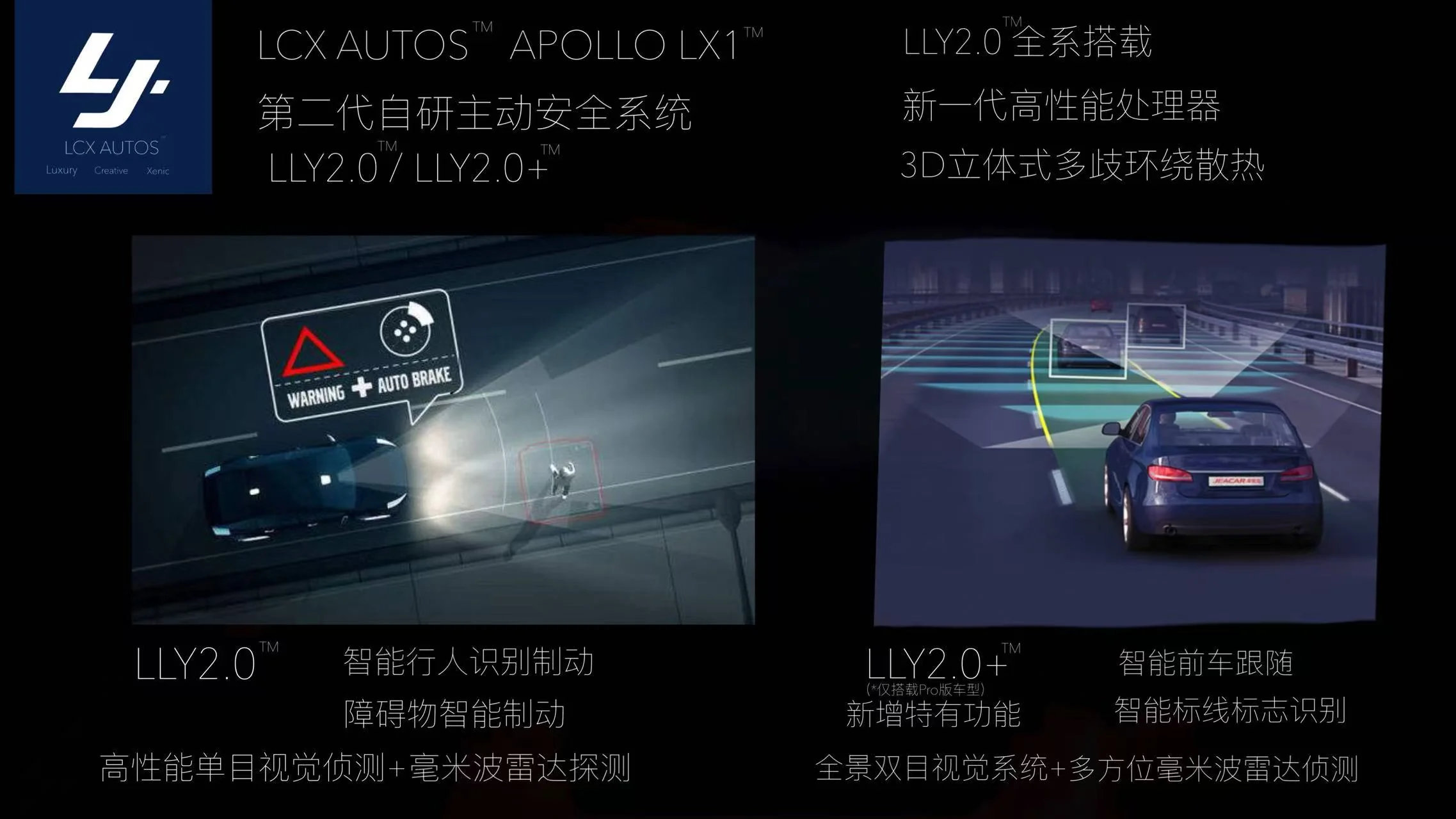
Apollo LX1 explores how forward-risk sensing, road-scene perception and active intervention can be organised into a coherent product family. The project uses the LLY2.0 and LLY2.0+ system stacks to connect sensing, computing, warning logic and demonstration scenarios.
02 / architecture

A clear path from road scene to driver support.

Sense · Understand · Respond

01

Road-scene sensing

Camera and millimetre-wave radar concepts provide complementary range and visual information.

02

Object & lane context

The system direction covers pedestrians, obstacles, preceding vehicles, lane markings and road signs.

03

Risk assessment

Perception results are organised into forward-risk and following scenarios.

04

Warning & intervention

Visual warning and braking demonstrations communicate the intended active-safety workflow.

03 / stack

Two capability levels, one product language.

LLY2.0 System Family

Project visuals also define a dedicated processing module and multi-branch thermal-management concept for the system stack.

LLY2.0

Core active-safety stack

LLY2.0+

Expanded perception stack

04 / demos

System ideas become visible interactions.

Prototype Films

Apollo LX1 product concept film
LLY2.0 system demonstration
Urban AEB scenario demonstration
05 / evolution

From a single demonstration to a system family.

Design Language

Apollo established an early LCX AUTOS product-release language: dark visual identity, named system generations, capability tiers and demonstrable use cases. This framework later informed the wider mobility-safety portfolio.

APOLLO LX1
APOLLO LX1
LLY2.0 / LLY2.0+
LLY2.0 / LLY2.0+
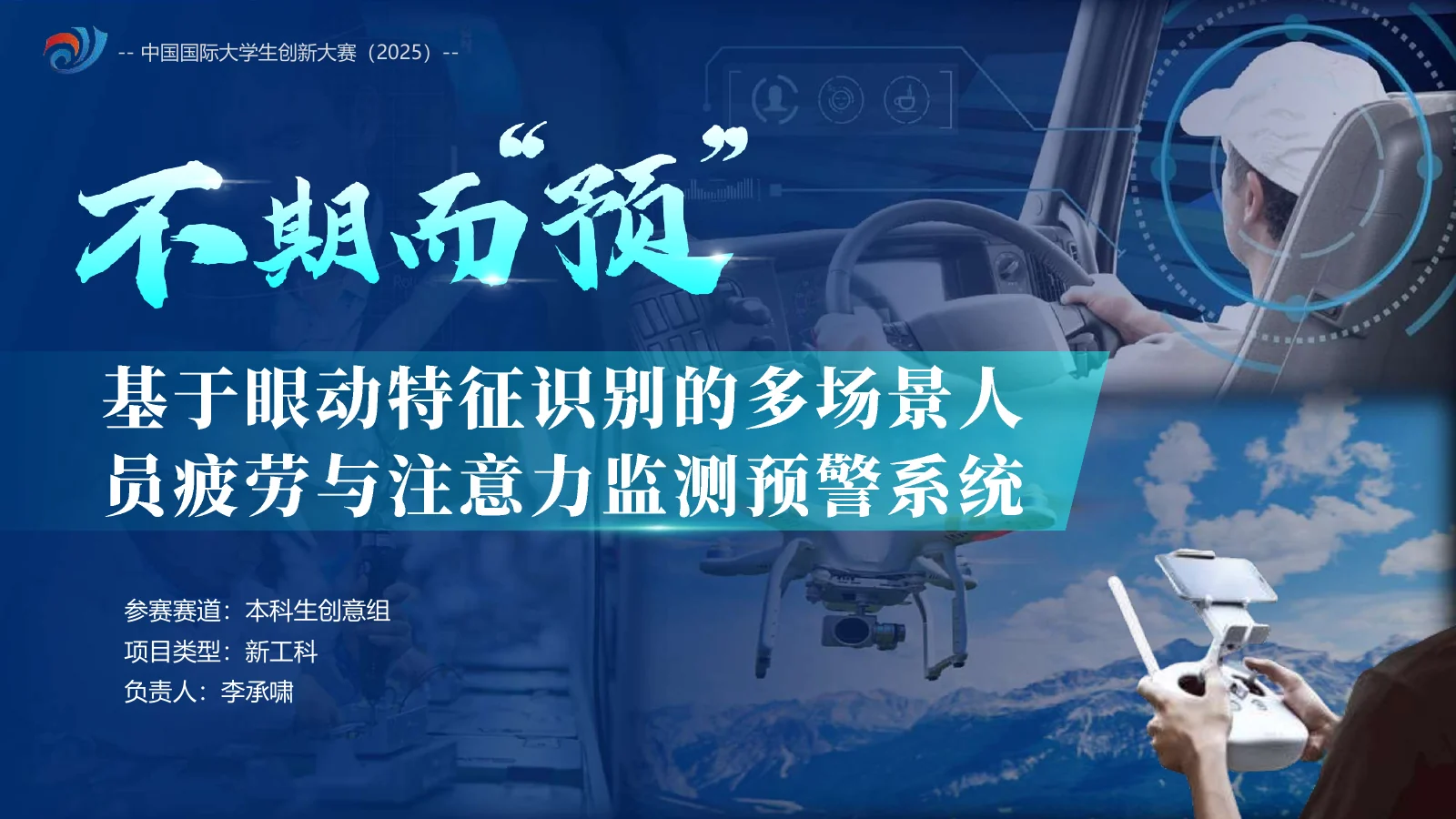
Human-state extension